The short version
- Egg, larva, pupa, adult: three of the four stages live in water.
- Egg to adult takes 7 to 10 days for Aedes mosquitoes.
- Eggs can survive dry for up to eight months.
1. Egg
Adult female Aedes mosquitoes lay their eggs on the inner walls of containers that hold water, just above the waterline. The eggs stick like glue. They can survive drying out for up to eight months, which is how a bucket that sat empty all winter produces mosquitoes after the first spring rain.
2. Larva
When rain or a sprinkler raises the water over the eggs, larvae hatch. They live in the water and are active enough to see, which is why they are often called wigglers.
3. Pupa
Larvae develop into pupae, which also live in the water. A pupa does not eat. The adult mosquito emerges from it and flies away.
4. Adult
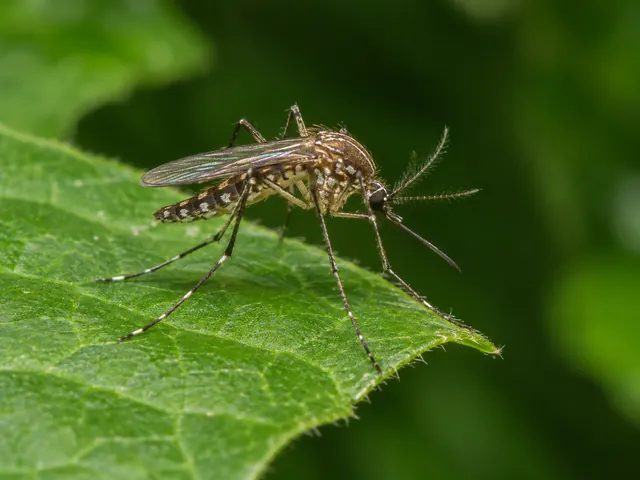
Adult females bite people and animals because they need blood to produce eggs. After feeding, they look for water to lay those eggs in, and the cycle starts again. The whole trip from egg to adult takes 7 to 10 days.
These mosquitoes do not travel far. In its lifetime, the CDC says, an Aedes mosquito will only fly a few blocks.

Where to break the chain
Three of the four stages happen in standing water, and the fourth stays close to home. That makes your own yard the place to act.
- Eggs: empty and scrub containers weekly. Use the tip-and-toss checklist.
- Larvae and pupae: the barrier blast suffocates larvae in the standing water you cannot empty.
- Adults: the blast kills adults after contact where they rest, and coated foliage keeps new ones from settling.
Because new adults can appear every week or so, one blast is rarely the end of it. We recommend a new application every three to four weeks.